 CROWDBEAM
Digital Content Shouldn’t Always Stay Behind a Screen.
Crowdbeam was created around a simple idea: digital content can become more engaging when it feels connected to the physical world — presented in a way designed to attract attention and make people want to look closer.
Why Crowdbeam Exists
Digital content should not always be trapped inside a flat screen.
Phones, monitors, televisions, digital signs and tablets have become part of everyday life. They are useful — but they are also familiar. People see screens constantly.
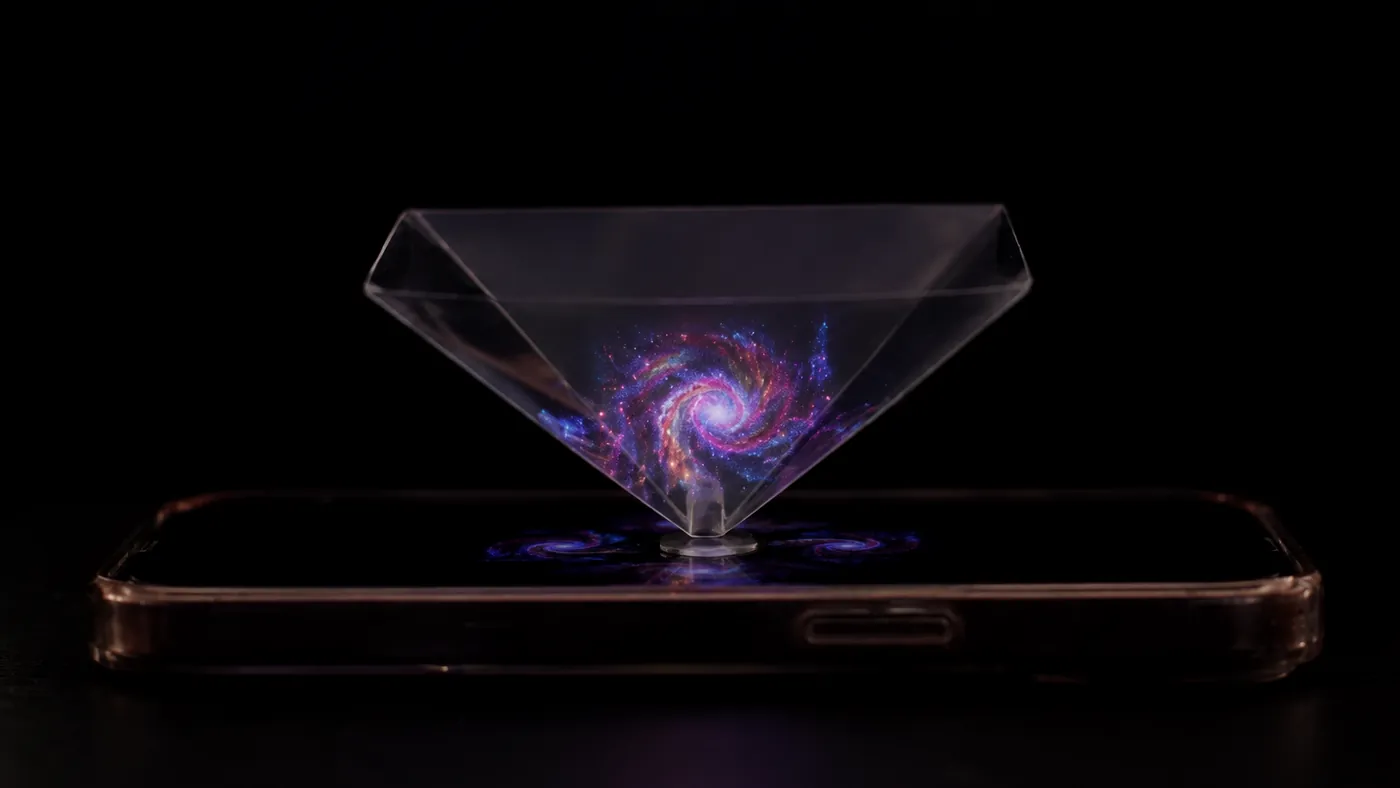
Crowdbeam was created to explore a different way of presenting digital content: using a transparent optical pyramid and prepared digital content to create a floating visual illusion that can be viewed directly, without a headset or glasses.
The goal is not to replace every screen. The goal is to create another way for digital content to be experienced.
The Problem We Wanted to Solve
Digital content is everywhere.
- Advertising appears on screens.
- Products are promoted on screens.
- Students learn from screens.
- Presentations happen on screens.
- Museum information appears on screens.
- Events are surrounded by screens.
The problem is not that screens are ineffective.
The problem is that they have become expected.
When everything is presented in the same familiar format, it becomes harder to create a moment that makes someone stop, look, and become curious. Crowdbeam was created to explore a different type of visual presentation — something people can simply walk up to and experience.
Traditional Digital Display Compared to Crowdbeam

Traditional Digital Display
Digital content remains visually contained inside a rectangular display.
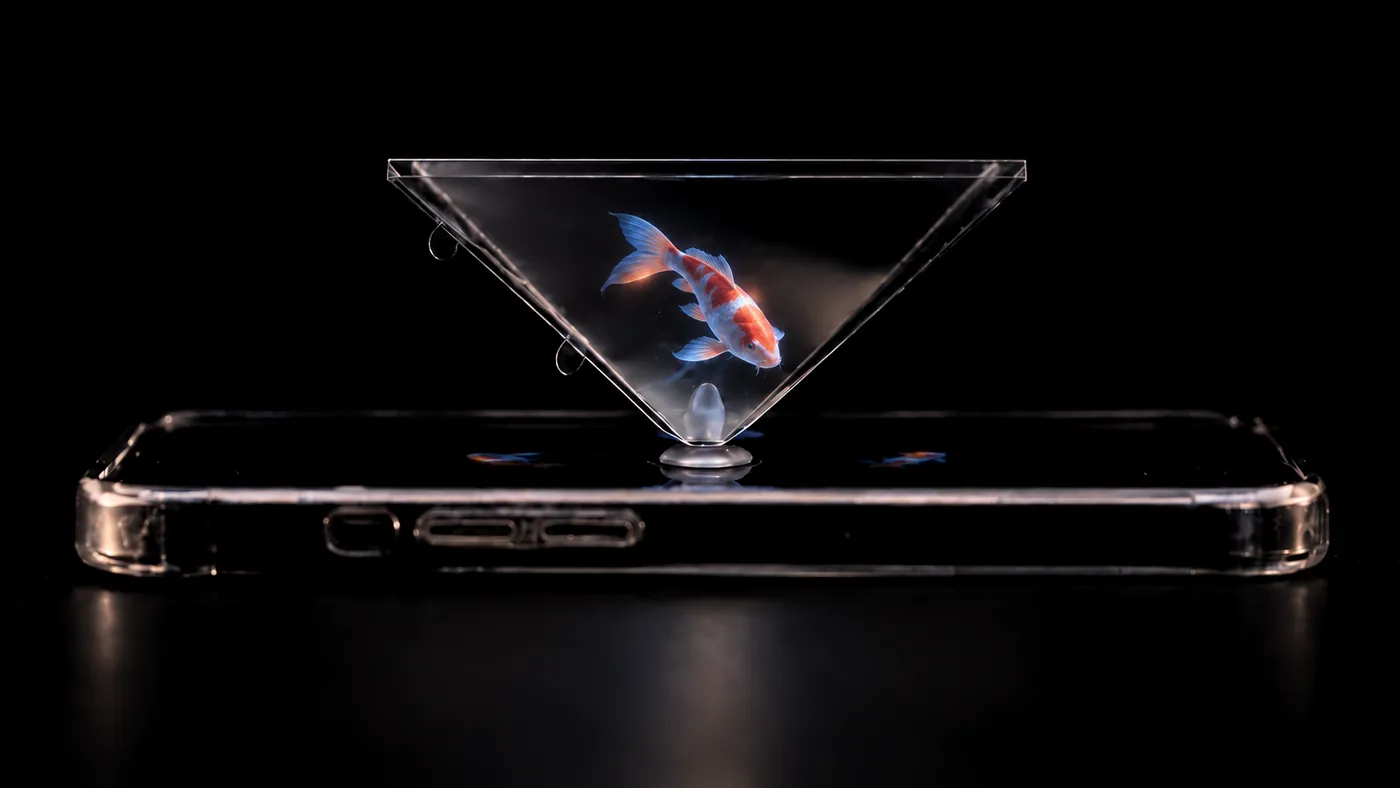
Crowdbeam
Prepared digital content becomes part of a more physical optical experience.
The Idea Behind Crowdbeam
Crowdbeam sits between the digital and physical worlds. The content begins digitally, then Crowdbeam gives it a different kind of presence: instead of appearing inside another rectangular screen, it becomes a floating optical visual integrated into the physical display.
A Different Kind of Display
Crowdbeam is not intended to suggest that digital content has become a physical object. It uses an optical display technique to create a floating visual illusion inside the Crowdbeam structure. The objective is simple: an engaging way to present prepared digital content without requiring viewers to wear glasses or a headset.
Designed to Create Curiosity
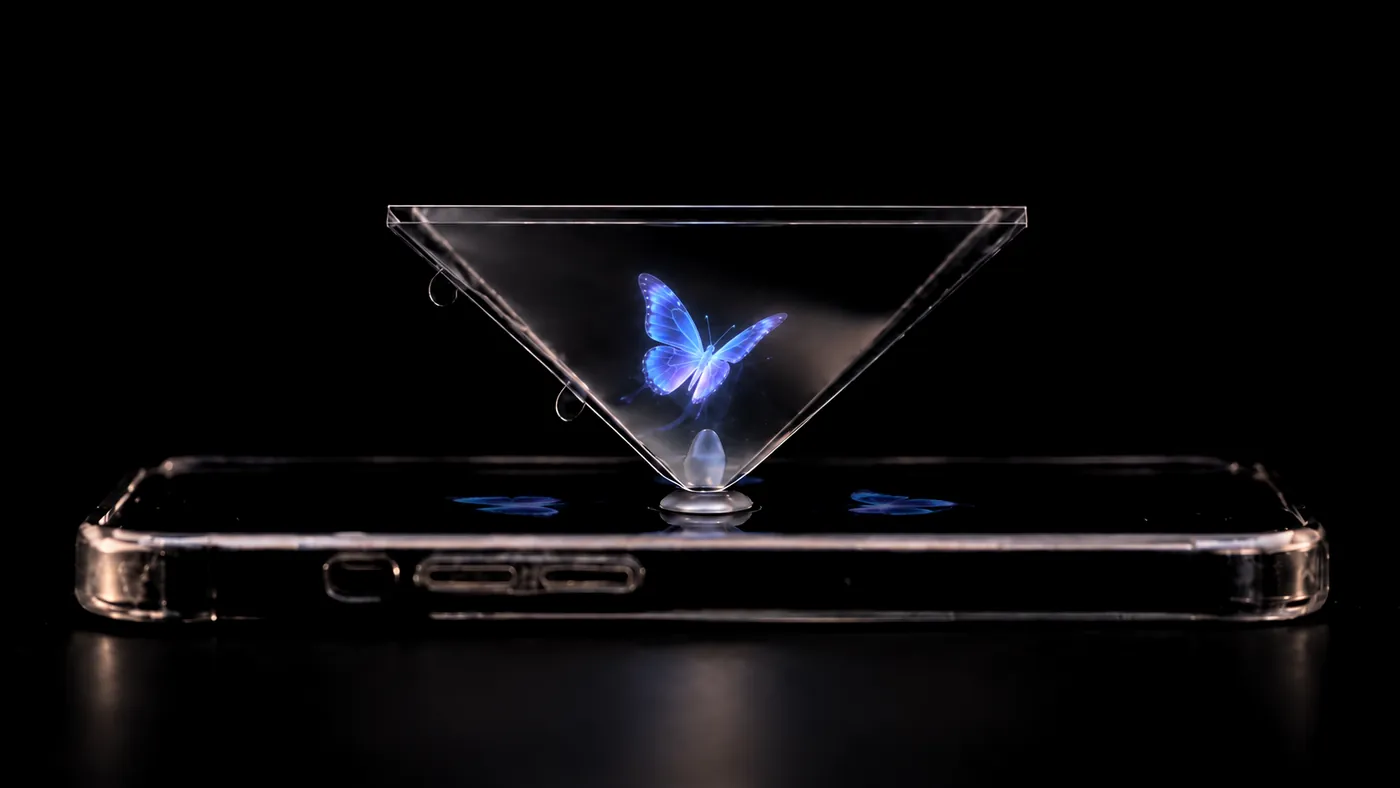
Crowdbeam is not only about displaying content. It is about changing how that content is noticed. A floating visual can create a moment of curiosity because it does not immediately look like another conventional display.
- People may stop.
- They may look closer.
- They may move around the display.
- They may want to understand how the effect works.
That moment of attention is what makes Crowdbeam interesting for environments where presentation matters.
One Idea. Many Environments.
Retail & Advertising
Help products, window displays and campaign visuals attract attention in physical spaces.
Events & Experiences
Create a visual focal point for product reveals, exhibitions and conferences.
Education & Museums
Present scientific models, historical objects and exhibits in a different format.
Business & Hospitality
Stand out in client presentations, receptions, lobbies and restaurants.
Creative Work
A medium for digital art, animation and visual experiments.
Your Use Case
Have a different idea? Tell us what you want to present and where.
Our Goal
Make visually engaging digital presentation more accessible — without complicated installations or wearable technology. A person should be able to approach Crowdbeam, see the content, and understand the experience immediately. Over time, we want to explore how it can be used across creative, commercial and educational environments.
Make digital content feel less confined to the screen.
Crowdbeam explores what happens when digital visuals become part of the physical environment around us.
See the Idea in Action
Crowdbeam makes more sense when you see the visual experience for yourself.